Skip to content
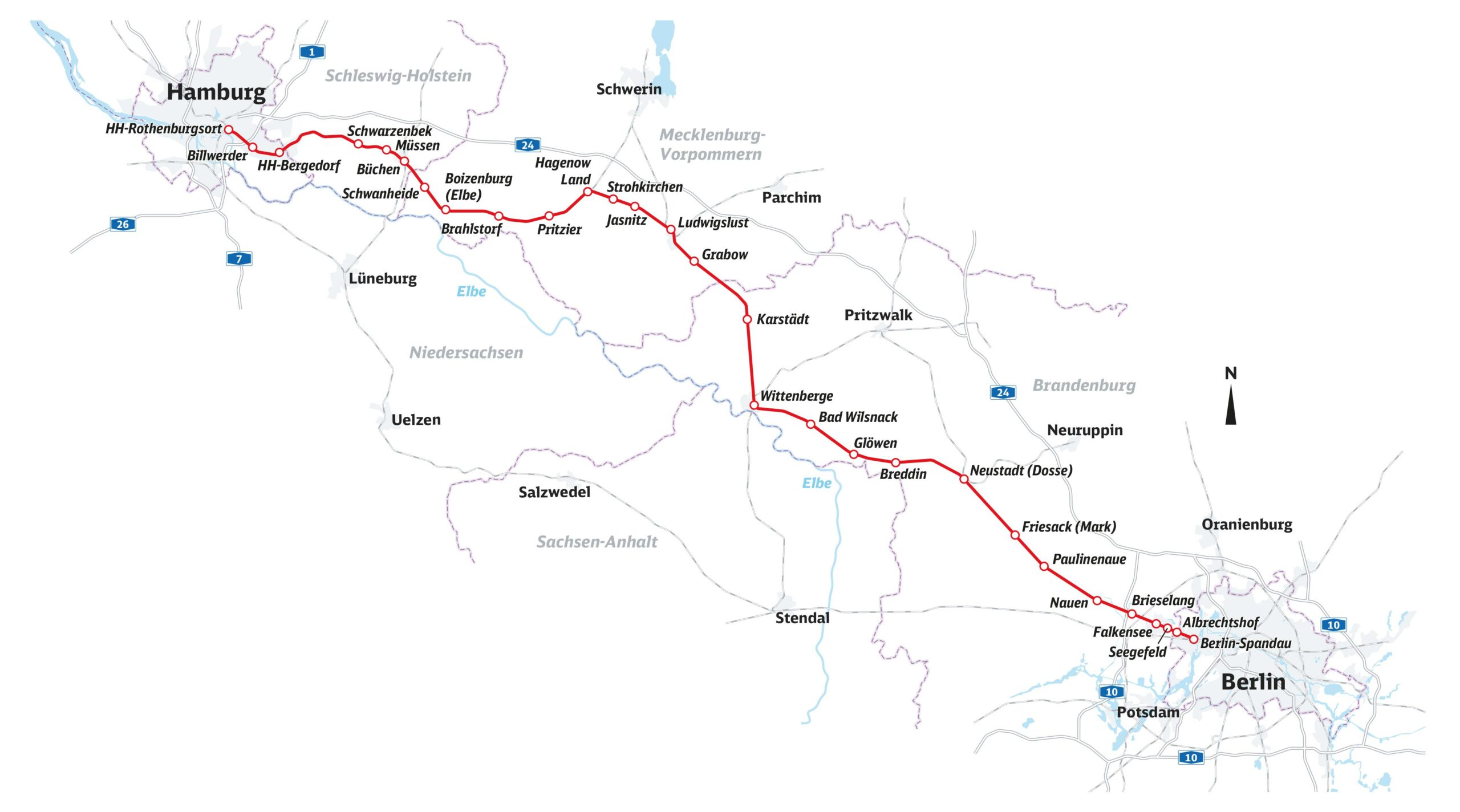
Die Strecke Hamburg–Berlin verläuft durch fünf Bundesländer: Berlin, Brandenburg, Mecklenburg-Vorpommern, Schleswig-Holstein und Hamburg
The Hamburg–Berlin route passes through five federal states: Berlin, Brandenburg, Mecklenburg-Western Pomerania, Schleswig-Holstein, and Hamburg.

Hamburg–Berlin Corridor Renovation

The Hamburg–Berlin corridor stretches over 278 kilometers and is one of Germany’s most important intercity connections. Around 470 trains use this route every day, including long-distance, regional, and freight services, making it one of the busiest railway lines in the German rail network. To address the challenges posed by its high level of utilization in the future and to enable the nationwide Deutschlandtakt timetable as well as the Digital Rail Germany initiative, Deutsche Bahn, in cooperation with the German federal government, has undertaken a comprehensive rehabilitation of the corridor as part of its corridor modernization program.

Project Overview and Objectives

The Hamburg–Berlin corridor is the third project of its kind, following the Riedbahn and the Emmerich–Oberhausen route. Between August 2025 and June 2026, the line was completely closed to rail traffic to enable the bundled implementation of numerous measures required to ensure its long-term reliability and availability. The objective was to future-proof the connection between Germany’s two largest metropolitan areas and create additional capacity to accommodate more trains on the rail network.

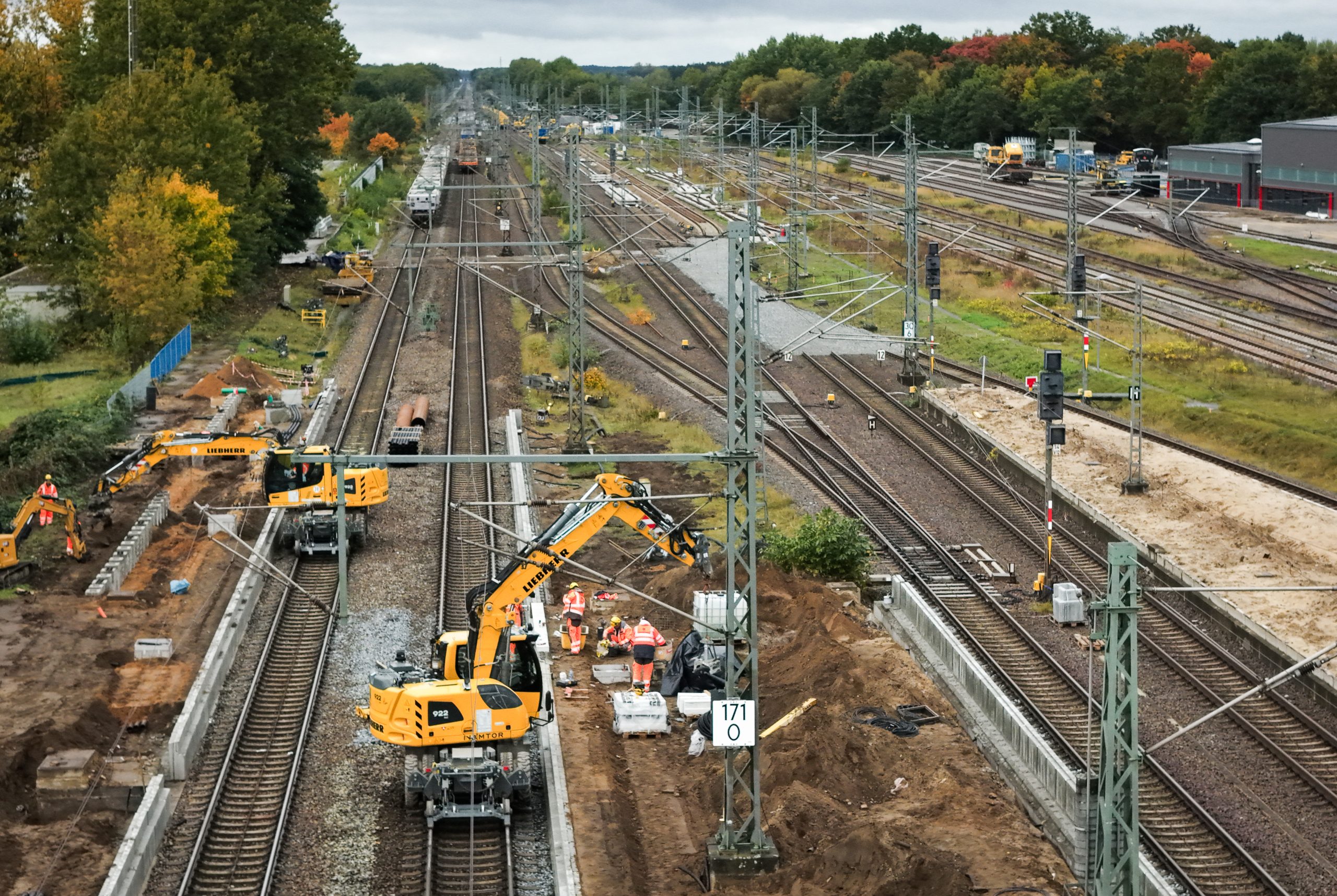
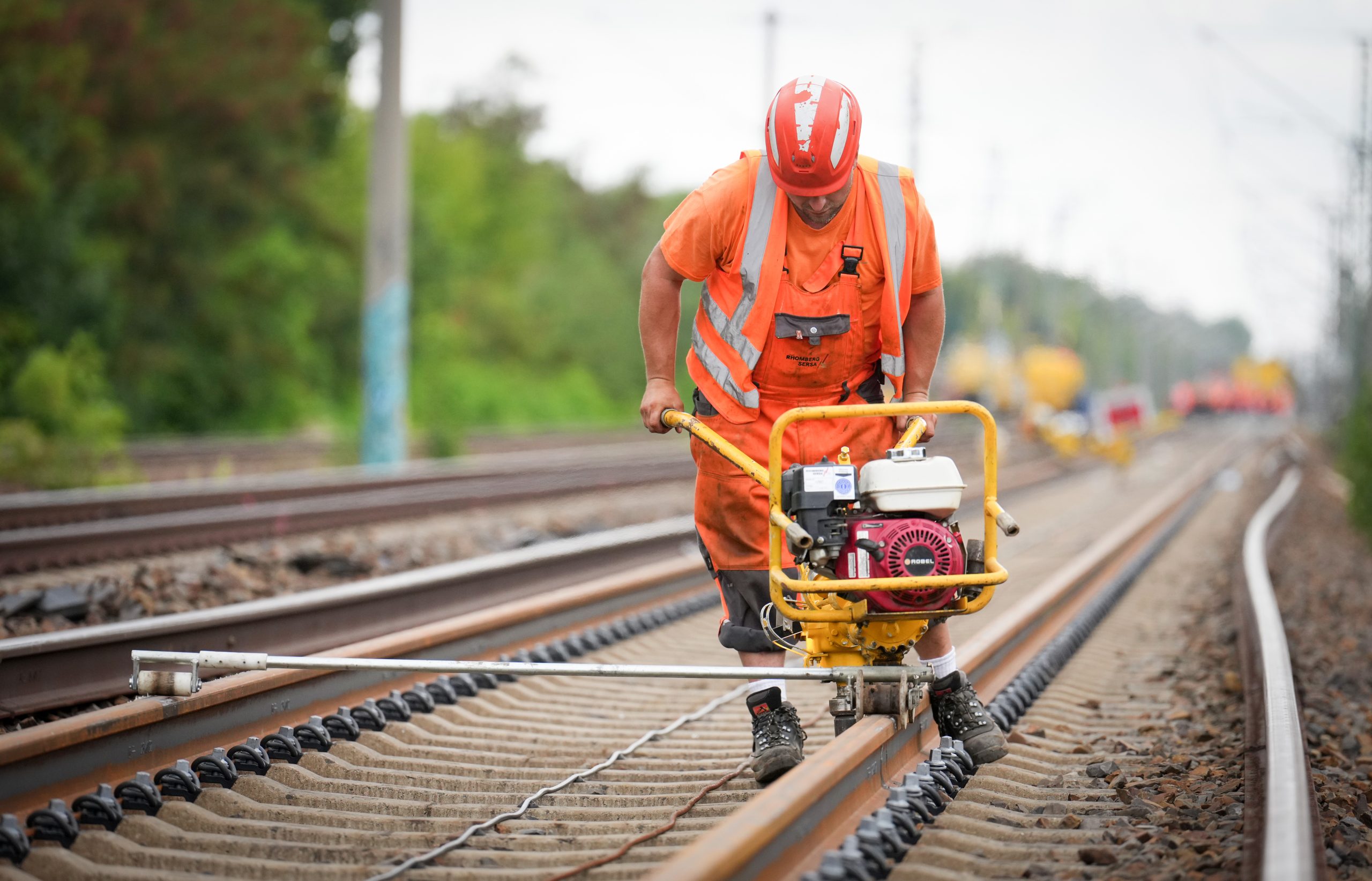
Over the course of ten months, extensive work was carried out on tracks, switches, overhead line equipment, as well as bridges, noise barriers, and culverts. In total, 180 kilometers of track and approximately 300 switches were renewed. In addition, four new crossover facilities were constructed.

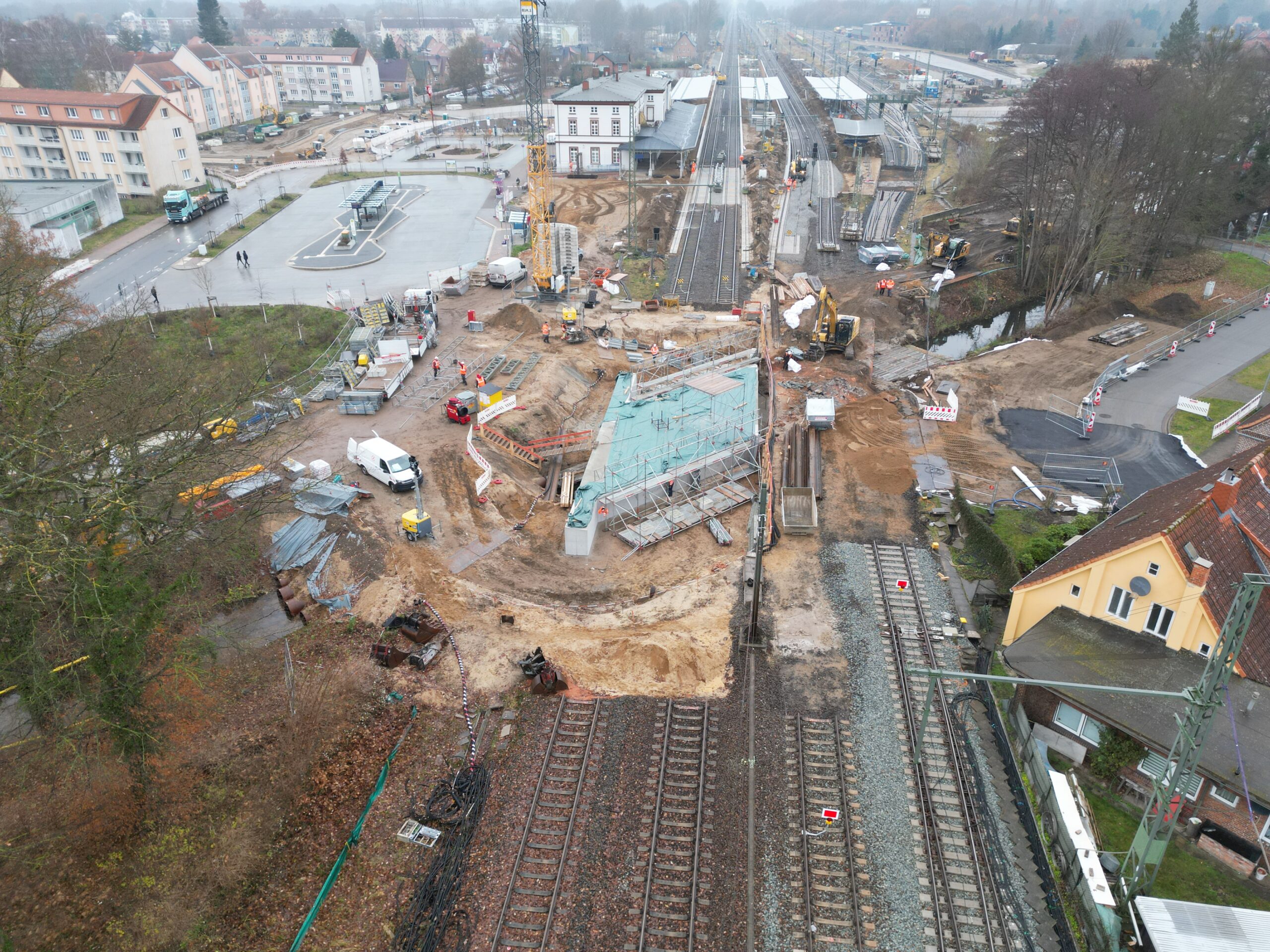
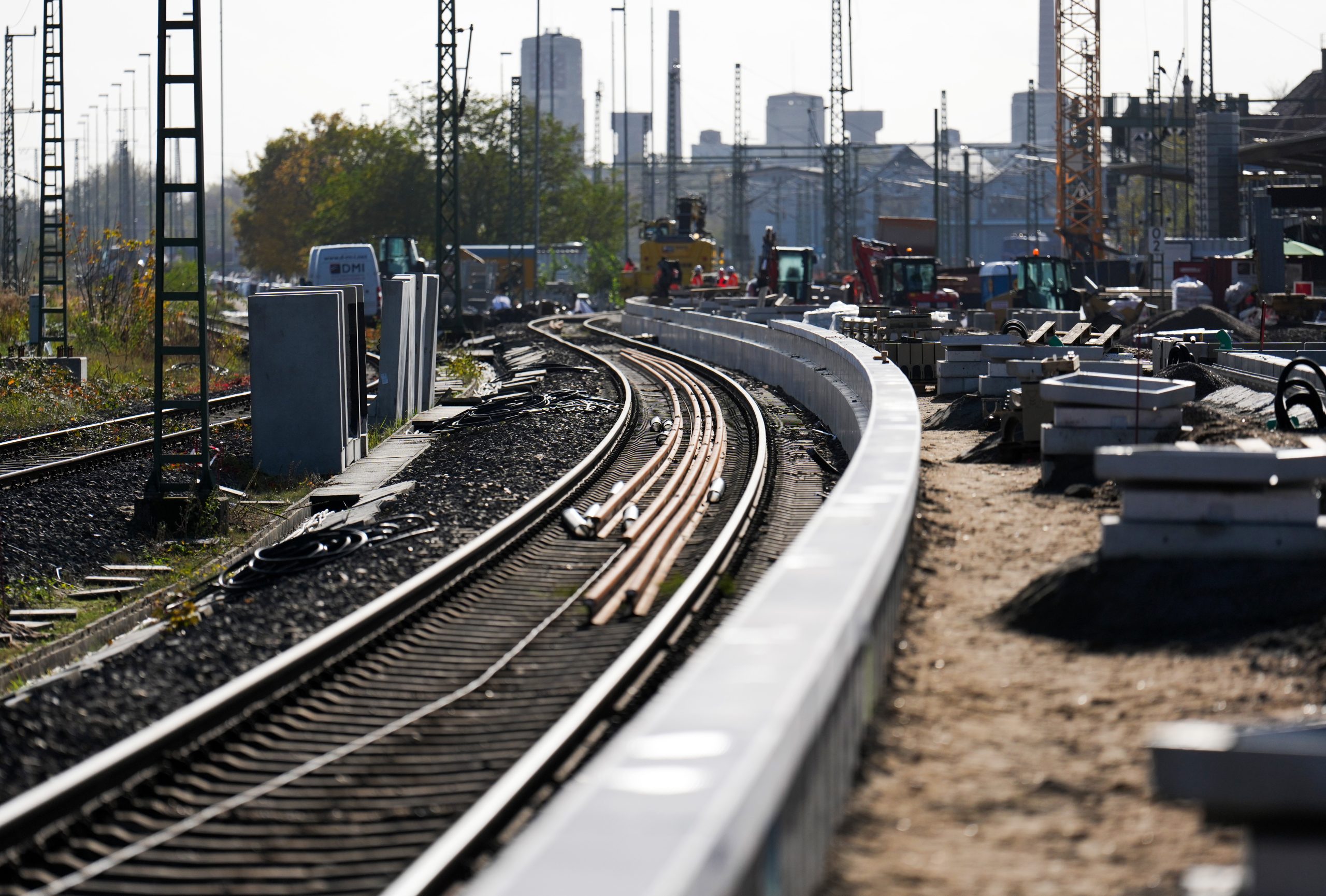
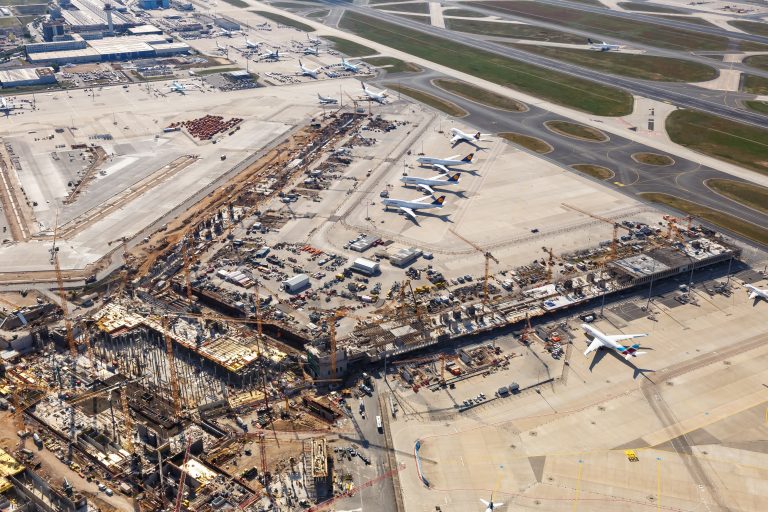
Luftaufnahme einer Bahnbaustelle mit Gleisanlagen und umfangreichen Infrastrukturarbeiten im Bereich eines Bahnhofs
Aerial view of a railway construction site featuring track infrastructure and extensive upgrade works in the vicinity of a railway station.

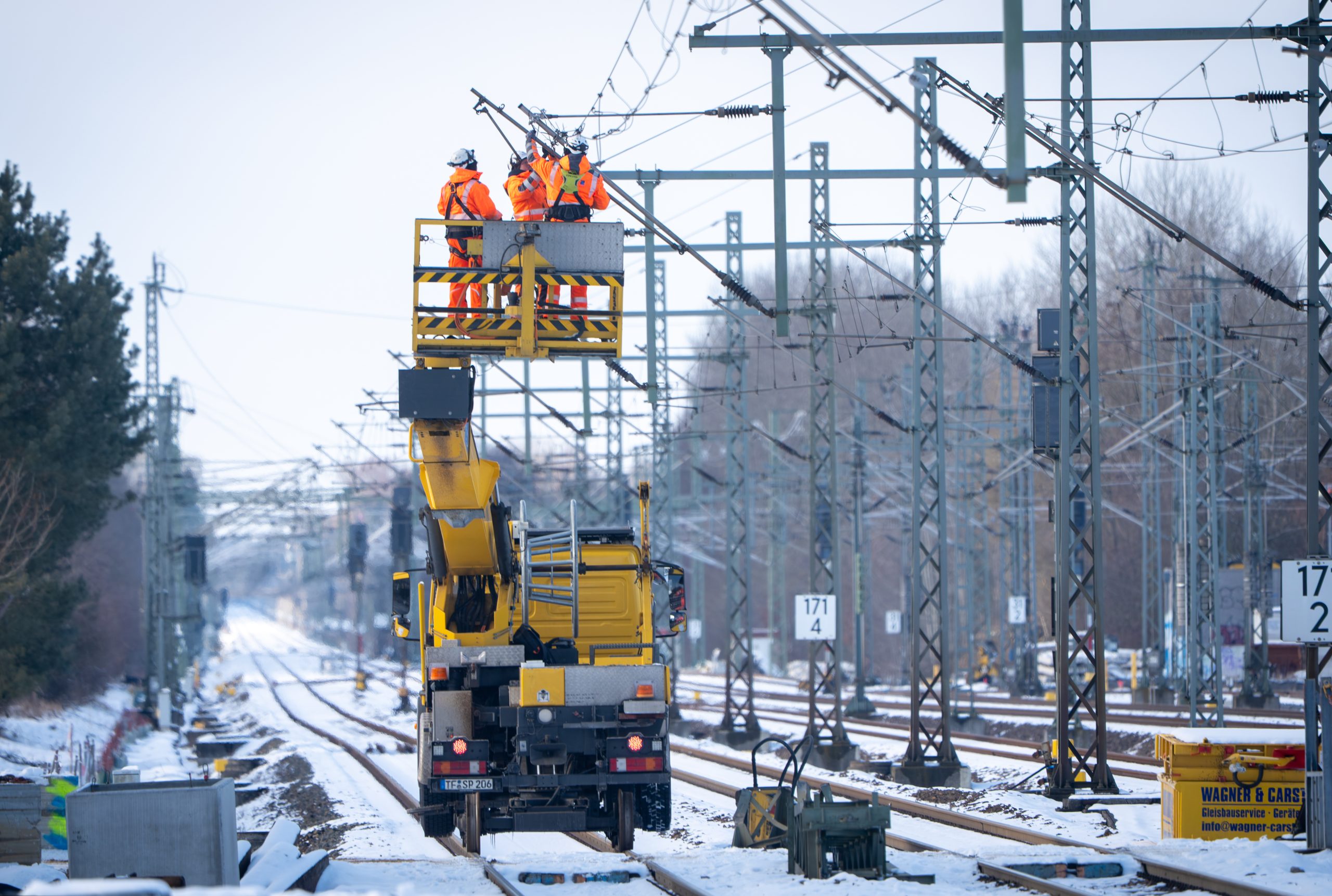
The signalling and train control systems were partially renewed and, where necessary, expanded or adapted as part of track layout modifications. Along the corridor, 47 kilometers of overhead line equipment were renewed. In addition, 28 stations were modernized and upgraded to provide step-free, barrier-free access. Furthermore, 6 kilometers of new noise barriers, reaching heights of up to 6 meters, were constructed along the route.

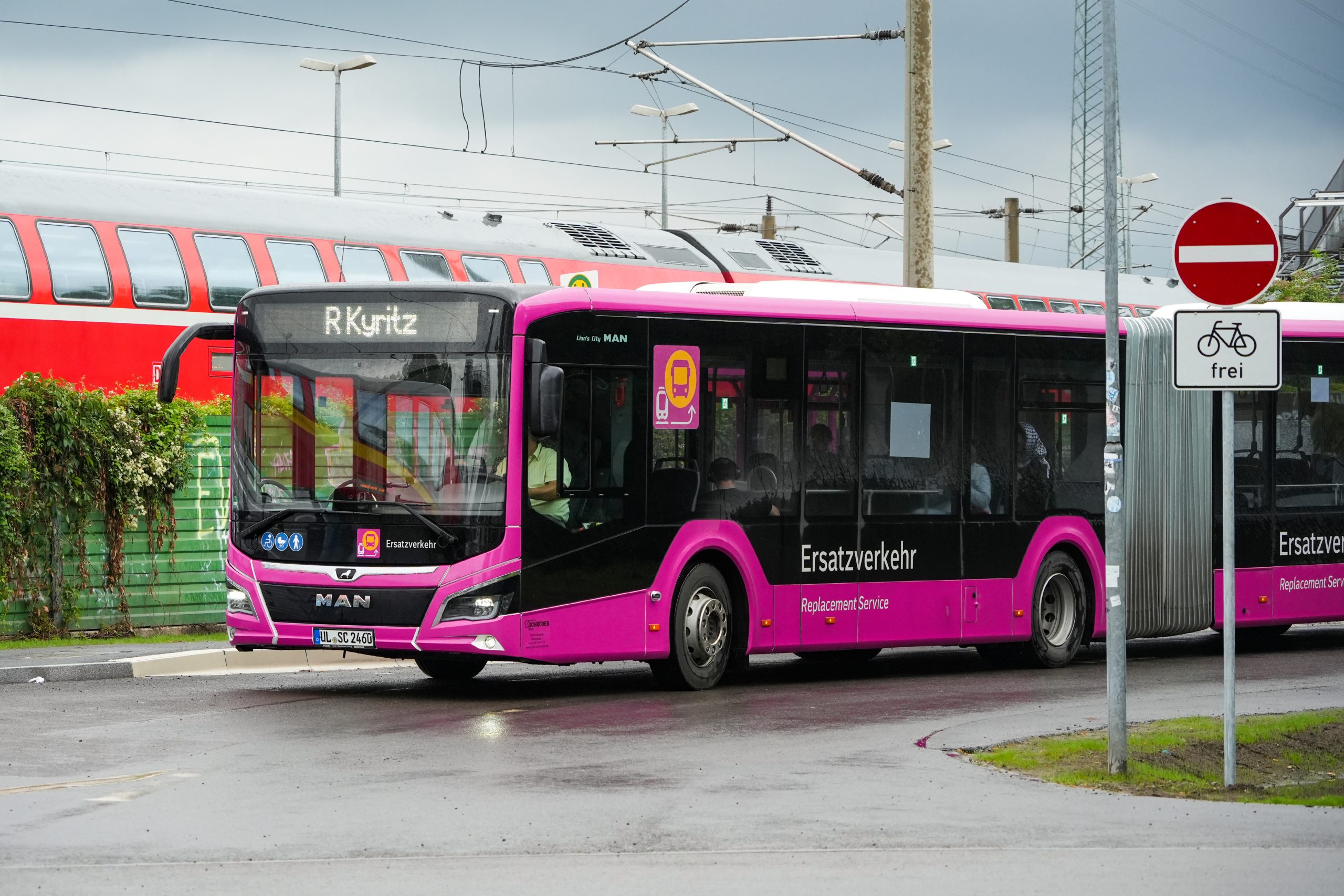
Bus des DB InfraGO Ersatzverkehr durch ecoVista während der Generalsanierung Hamburg-Berlin im brandenburgischen Wustermark
A DB InfraGO replacement bus operated by ecoVista during the Hamburg–Berlin corridor renewal project in Wustermark, Brandenburg.

Transport Concept and Replacement Services

To ensure that passengers and freight continued to reach their destinations reliably during the construction works, a comprehensive transport concept was developed in cooperation with railway operators and the federal states and presented in January and February 2025. Long-distance services between Hamburg and Berlin were diverted, allowing direct connections to be maintained throughout the closure. For example, long-distance trains on the Hamburg–Rostock/Stralsund corridor were rerouted via Lübeck, while several regional services continued to operate. In addition, an extensive rail replacement service was established for the suspended regional trains, deploying more than 170 buses across the corridor.

Role of DB E&C and Current Status

Before the main corridor renovation began, initial maintenance measures were carried out to ensure operational safety and prepare the infrastructure for the upcoming works. Between 16 August and 14 December 2024, a total of 100 switches, three culverts, and 74 kilometers of track were renewed. In addition, sections of the slab track were replaced.

As part of these works, DB E&C made a significant contribution to the project’s success, particularly through its design services and its expertise in Environmental and Geoservices. These services included design and design activities in the disciplines of rail infrastructure, structural engineering, overhead line systems, electrical power supply systems, and signalling and train control systems.
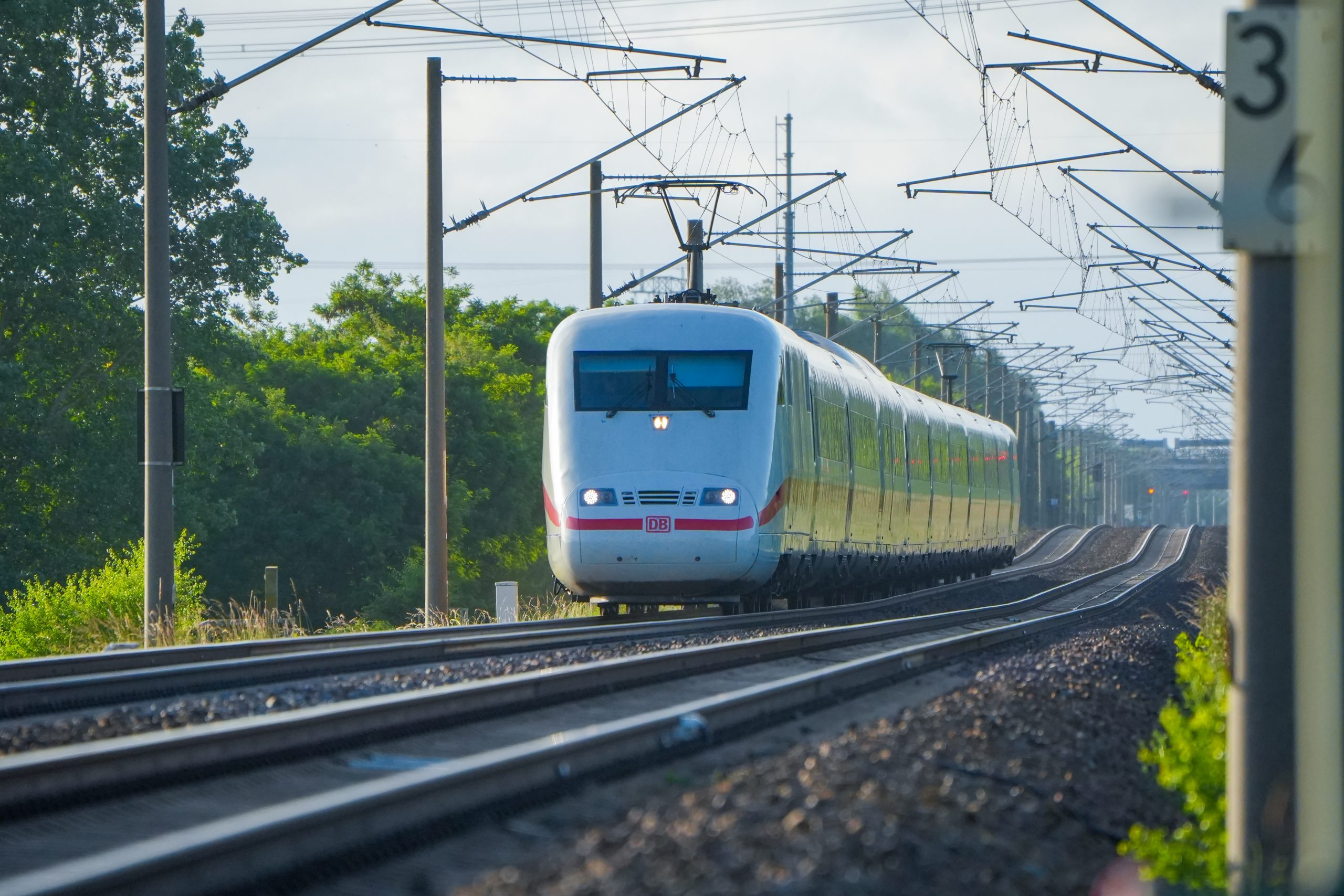
Comprehensive existing-condition surveys using multicopter aerial inspections and a 360-degree multisensor platform enabled seamless and fully integrated design throughout the project.

Due to the presence of sensitive environmental assets and adjacent protected areas, DB E&C’s design team worked closely with specialized environmental planners to ensure the environmental compatibility of the construction measures and compliance with all applicable legal requirements.

To help mitigate delays caused by the procurement of construction and systems contracts, DB E&C also prepared the detailed design documentation for one section of the project. This included providing technical support during the construction phase through the project’s design engineers in the Schleswig-Holstein and Hamburg construction section. Their role involved clarifying construction-related issues, supporting implementation on site, and developing technical solutions for detailed engineering challenges as they arose.

The current focus is on the preparation of as-built documentation and the compilation of records required to verify compliance with European requirements for the Infrastructure subsystem. In parallel, design activities are underway for additional infrastructure measures that are scheduled to be implemented following the corridor renewal project during so-called maintenance windows. These maintenance windows are predefined periods of operational restrictions that are regularly scheduled for maintenance activities on the Hamburg–Berlin corridor. They provide dedicated time slots for carrying out further infrastructure works while minimizing the impact on rail operations.

  • Maintenance (on operational railway lines)
    • Track structure: Ballasted track
    • Route length: 280 km
    • Design speed: 230 km/h
    • Type of traffic: Passenger and freight traffic
  • Design
    • Design services covering HOAI service phases 1 to 7 in the disciplines of rail infrastructure, overhead line systems, electrical power supply systems, structural engineering (including civil and structural design), and signalling and train control systems
    • Preparation of detailed design documentation for 12 of the 14 project sections
    • Preparation of the required approval documentation for consultation with district authorities, including environmental design services, to obtain agreement from the relevant lower nature conservation authorities, environmental protection authorities, and water authorities
    • Preparation of tender documentation, including functional specifications where required
    • Preparation of detailed execution designs
    • Technical support and engineering advisory services during construction
    • Preparation of documentation related to land and property rights matters
    • Preparation of alignment designs, turnout layouts, and rail plans
    • Creation and maintenance of standardized, georeferenced alignment data
    • Integration and utilization of available state digital terrain models with DB GIS data
    • Design review and document management
    • Commissioning and coordination of studies on construction noise and construction-related vibrations
    • Development and application of software tools for automated cable routing and cable design
  • Environmental and Geoservices
    • Multicopter-based aerial surveys for digital asset capture, including flight preparation, design and execution, obtaining all required flight permits and approvals, and survey operations carried out by certified and trained pilots
    • Data management services, including data processing and preparation
    • Photogrammetric data evaluation and analysis
    • Production and delivery of georeferenced datasets, including 2D orthophotos, 3D point clouds, and digital terrain models (DTMs, without breaklines)
    • Provision of data via the X2BIM online platform
    • Data integration services
    • Point cloud generation from train-based surveys
    • Development of GIS2BIM base models, including:
      • Terrain models with clearance profiles, buildings, railway assets, and EBA noise mapping data
      • Cadastral parcels
      • Orthophotos
      • Contaminated site information
      • General land-use and development data
    • Model adaptation and enhancement of existing objects such as overhead line masts, signals, and control cabinets, as well as the creation of additional BIM objects including bridges, noise barriers, and railway platforms